ditch the small talk: why 'give first' networking is the future of your engineering career.

summary.
traditional networking is often transactional and self-serving, leading to superficial connections.
the "give first" approach focuses on offering value to others without expecting immediate returns.
this builds authentic relationships, a strong professional reputation, and creates a "generosity loop" where opportunities flow back.
engineers can implement this by sharing knowledge, making introductions, and providing genuine support to peers.
the Randstad engineering community promotes this collaborative approach to career development.
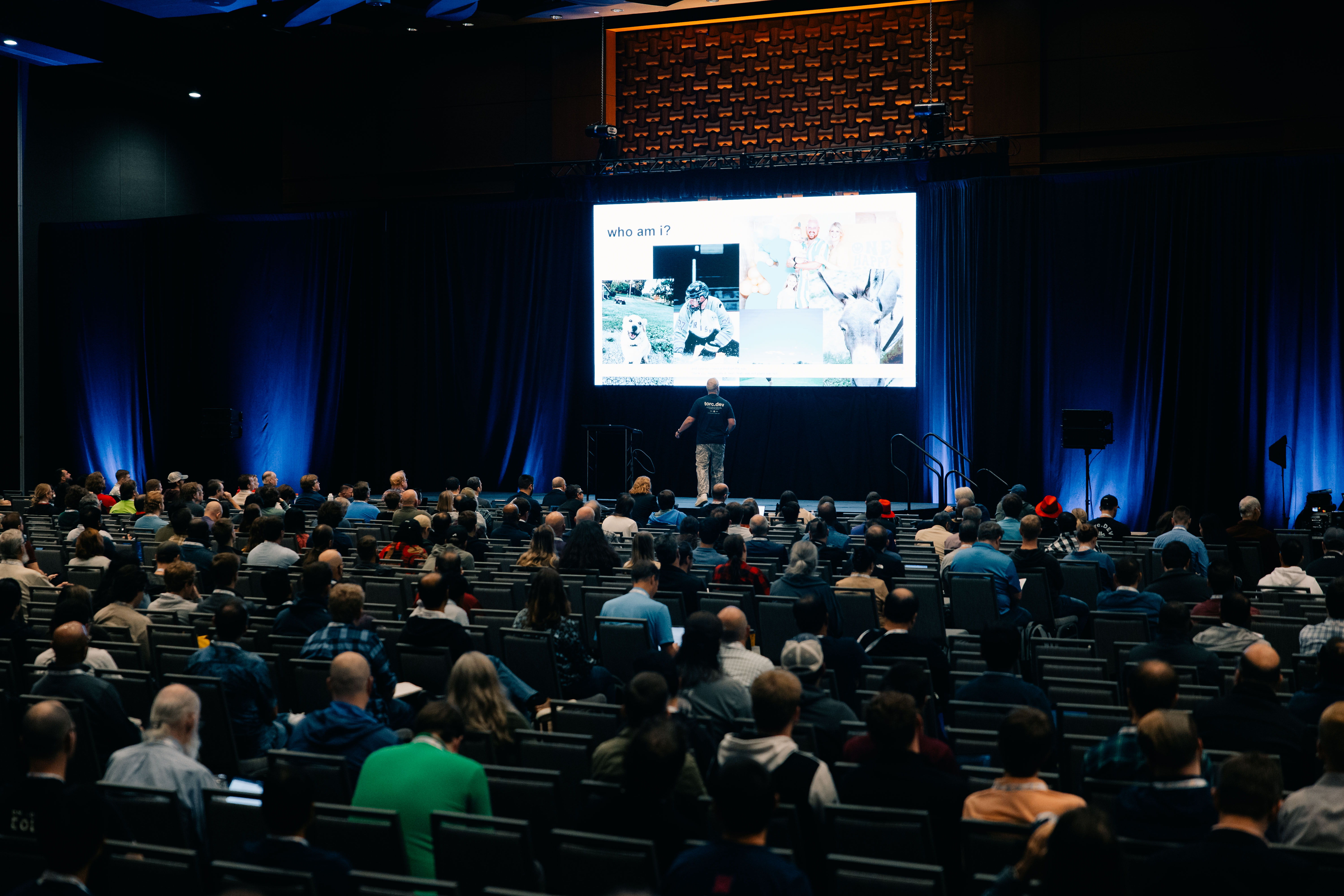
You know the scene. The conference room is buzzing with a low hum of anxiety. You’re clutching a lukewarm drink, scanning a sea of name tags, and having the same circular conversation on repeat. It’s a forced, awkward dance of exchanging pleasantries and business cards, all while your mind is racing: “What can this person do for me? Is this a good contact? How do I politely escape?”
Frankly, this entire charade is broken. This transactional, self-serving approach to networking is an outdated relic that leaves everyone feeling slightly used. It’s time we, as a profession of builders and problem-solvers, engineered a better system. The future of your career doesn't lie in what you can get from your network, but in what you can give to it.
the problem with the transactional model.
The old model of networking is fundamentally flawed because it’s built on a scarcity mindset. It operates on the silent, desperate question: “What’s in it for me?” This immediately frames every interaction as a zero-sum game where one person is trying to extract value from the other.
Here’s why it’s problematic:
It’s the "cold call" mentality: This approach is the in-person equivalent of a sales call you never asked for. Everyone has their guard up, waiting for the inevitable “ask.” It’s inauthentic because it is an act. You’re not there to connect; you’re there to acquire. This is why it feels so draining—it requires you to be a performer, not a professional.
It's a “dead-end”: You can’t build trust on a transaction. A contact collected this way is like a vending machine: you might get what you want in the moment, but the relationship is hollow. You wouldn't ask a vending machine for candid career advice, to advocate for you in a meeting you’re not in, or to send a high-stakes infrastructure opportunity your way. Why? Because there's no real relationship, no foundation of trust, and no genuine human connection. A stack of business cards is not a network; it’s just a pile of paper.
the power of "give first" networking.
Imagine walking into that same room with a completely different objective. Instead of asking, “What can I get?” you ask, “How can I help?” This simple flip in perspective changes everything.
redefining your value.
As an engineer, your value extends far beyond your job title. It’s your technical expertise, your unique perspective, your connections, and your industry insights. It’s the fascinating technical article you read this morning, the elegant solution you engineered for a complex municipal project, or the introduction you could make between two colleagues who could help each other navigate state board compliance. Your capacity to give is immense and constantly replenishing. Ultimately, it’s your personal brand.
the generosity loop.
When you give freely without keeping a mental ledger, something powerful happens. You build a reputation. You become known not as a “taker,” but as a helpful, knowledgeable, and connected professional. You become a central node of value in your network.
And then, the magic. Opportunities, ideas, and project leads start flowing back to you, often from unexpected places. This isn't karma; it's just good social dynamics. People want to help those who help others. By giving first, you create a powerful "generosity loop" that enriches everyone, including yourself.
building authentic relationships.
A relationship built on a foundation of generosity is real. It’s based on trust and mutual respect, not on a calculated exchange of favors. These are the people who will become your genuine professional allies, your sounding board for technical challenges, your advocates, and your long-term collaborators. This is the true currency of a successful engineering career in today's competitive market.
from theory to practice: what giving first looks like.
This isn't some abstract, idealistic concept. It’s a practical strategy you can implement immediately with minimal effort:
Read an insightful whitepaper on a new sustainable building code or ASTM testing standard? Send it to a peer in your network with a simple note: “Thought you might find this interesting for your team's next design review.”
See an engineer asking a question in an IEEE or ASCE LinkedIn group about local environmental permitting that you can answer? Take 60 seconds to write a clear, helpful reply.
Meet someone at a conference who mentions they're struggling with a specific CAD/BIM integration issue or OSHA compliance standard? Offer to introduce them to a colleague who is an expert in that workflow.
Notice a former colleague passed their NCEES PE exam or got promoted to Principal Engineer? Go beyond a simple 'like' and write a specific, genuine comment acknowledging their dedication and expertise.
The key is to detach from the outcome. The goal is not to get something in return for these small acts. The goal is to be genuinely helpful. The mindset shifts from “What can I get?” to “What can I offer?”
conclusion.
It’s time to kill the transactional, self-serving model of networking. Let’s ditch the awkward small talk, the forced smiles, and the desperate exchange of cards. Let’s build something better.
Start today. Find one small way to offer value to someone in your professional circle. Share your knowledge. Make an introduction. Be the person you’d want to have in your own network. You'll not only build a more powerful and resilient engineering career, but you'll also make the entire profession a little more collaborative and a lot more human.
This is what we are constantly working on at the Randstad engineering community. If you’re not a member yet, join us today and get the resources, insights, and support you deserve.
frequently asked questions (faq).
what is "give first" networking for engineers?
"Give first" networking is a strategy where engineers focus on providing value, support, and technical knowledge to their professional network without immediately expecting anything in return. This builds genuine relationships and a strong industry reputation.
why is traditional networking problematic for engineers?
Traditional networking often feels transactional and self-serving, leading to superficial connections based on a "what's in it for me?" mindset. This can be inauthentic and fail to build lasting trust, which is essential in technical collaboration and project management.
how can engineers practically apply the "give first" approach?
Engineers can apply this by sharing insightful articles on industry developments, offering helpful technical guidance in professional forums like NCEES or NSPE network groups, making relevant peer introductions, or providing genuine compliments on colleagues' milestones and certifications.
what are the benefits of "give first" networking?
Benefits include building authentic relationships, establishing a reputation as a helpful and knowledgeable technical professional, and creating a "generosity loop" where high-value career opportunities and professional support naturally flow back to you.
where can engineers find a community that supports "give first" networking?
The Randstad engineering community offers resources, insights, and support for engineering professionals looking to build their careers through collaborative and "give first" networking principles across the United States.